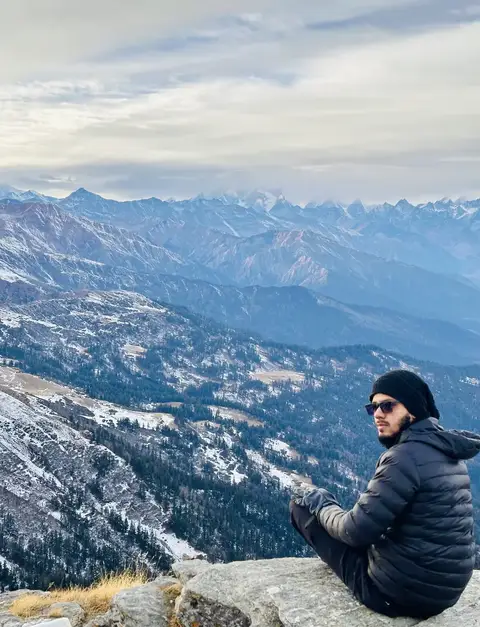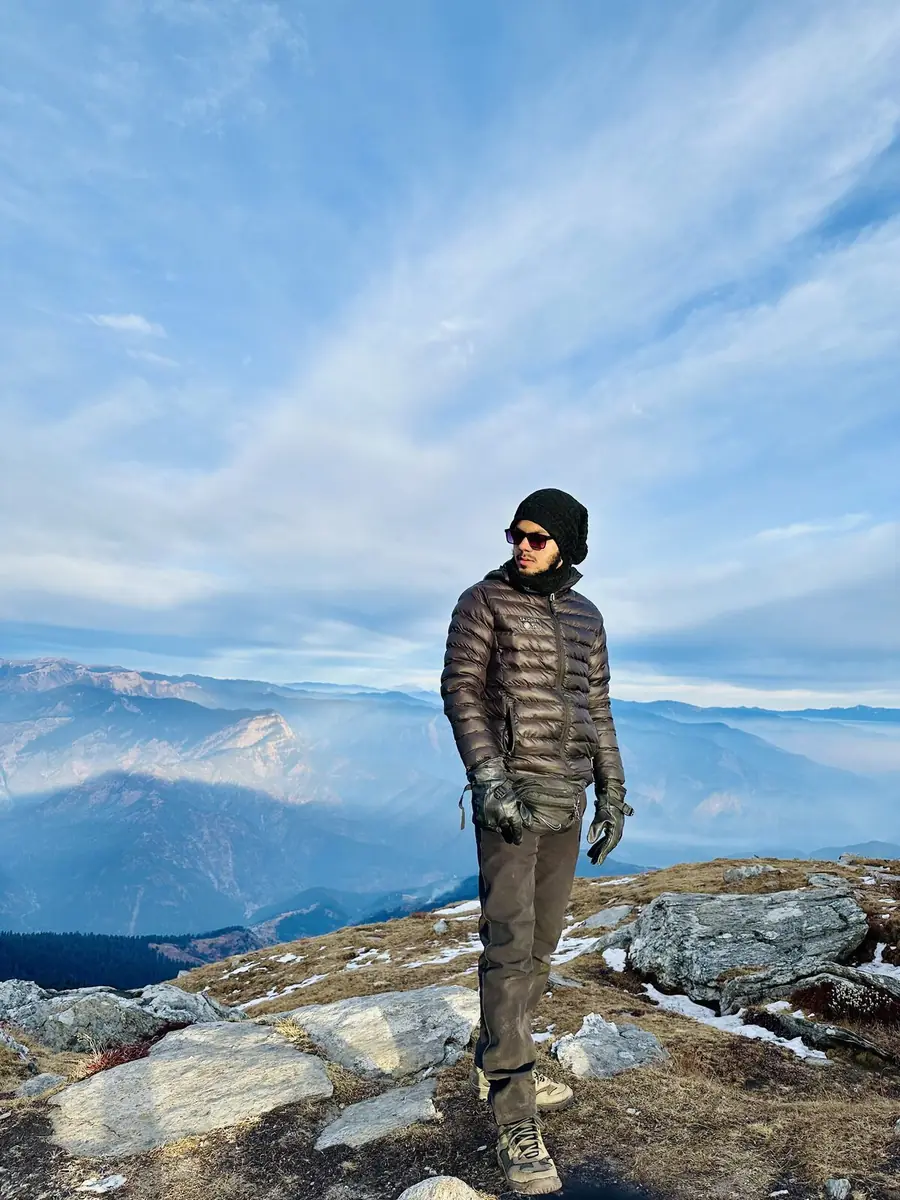
On a Himalayan trail there is no way to negotiate with altitude. You cannot fake fitness, charm the weather, or ship a hotfix for your lungs. The mountain audits you honestly — which is exactly why I keep going back.
Building products turned out to be the same job with better wifi.
1. Consistency beats intensity
The people who reach camp first are almost never the fastest starters. They are the ones with an unglamorous, unbroken rhythm — a pace they can hold for six hours.
Every meaningful thing I have built followed the same curve: unremarkable daily progress, then a result that looks sudden from the outside. Sprints feel productive. Cadence is what actually ships.
2. Preparation is invisible and decisive
Nobody photographs the boot-fitting, the acclimatisation day, the checked forecast. But those choices decide the summit long before the summit exists.
In product terms: the boring foundation — data model, performance budget, error handling — determines whether you can move fast in month six. Skipping it is not speed; it is a loan at brutal interest.
3. Rest is part of the plan, not a reward for finishing
Acclimatisation days feel like wasted time until you watch someone strong turn back at 4,000 m because they pushed through one too many.
Burnout in building works identically. The person who never stops is not the most committed — they are the most likely to disappear from the project in three months.
4. Change the route, keep the summit
Weather closes passes. Users reject features. On the trail, insisting on the original plan is not determination; it is how accidents happen.
The discipline is separating the goal (help students revise faster) from the route (this specific feature, this specific launch date). Hold the first tightly. Hold the second loosely.
5. The view is worth the discomfort — but the view is not the point
Summit photos are the smallest part of a trek. What stays with you is who you became on the way up: more patient, better at suffering quietly, more useful to the people walking beside you.
The same is true of a product. The launch is a moment. The craft you build getting there is the asset.
Carrying it forward
The best builders I know behave like good trekkers: prepared, patient, steady, honest about conditions, and generous with the people around them.
Start early. Walk slower than you want to. Look up more often than you check the distance remaining.